What it actually looks like.
Most of the fear around implant treatment is fear of the unknown. So here is the room, the planning, the instruments and the people — and what happens at each stage, in Dr Brad's words.
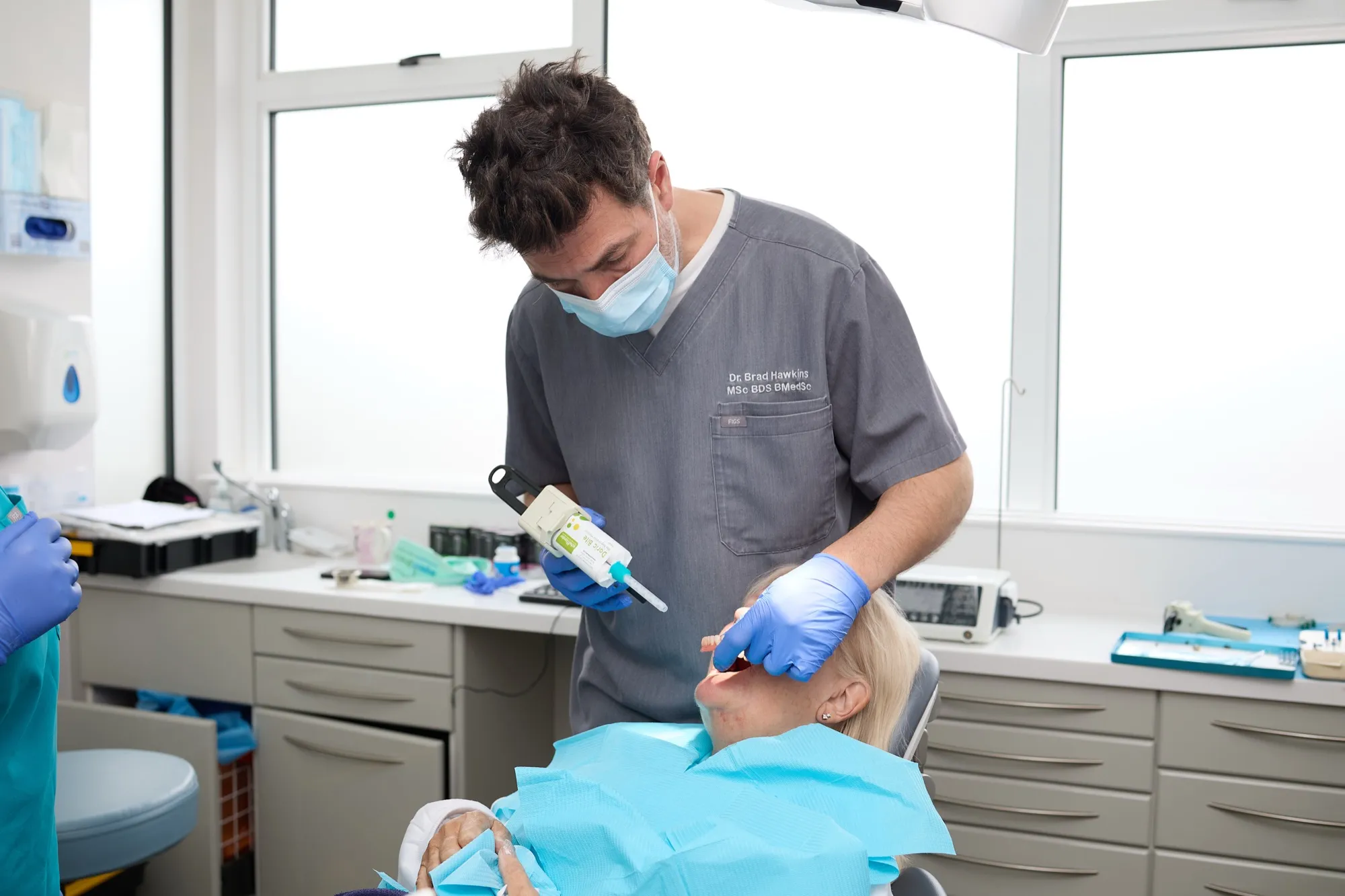
People often arrive with a preconceived idea of what this is going to be like. On the face of it, having an implant placed into the bone of the jaw can sound quite daunting.
In the vast majority of cases, though, patients walk out pleasantly surprised at how easy the process was. We make sure you are completely numb before we start, and you are able to take breaks along the way where possible. For a simple implant the procedure might take 20 minutes, which is often a good deal shorter than something like a root canal.
— Dr Brad Hawkins
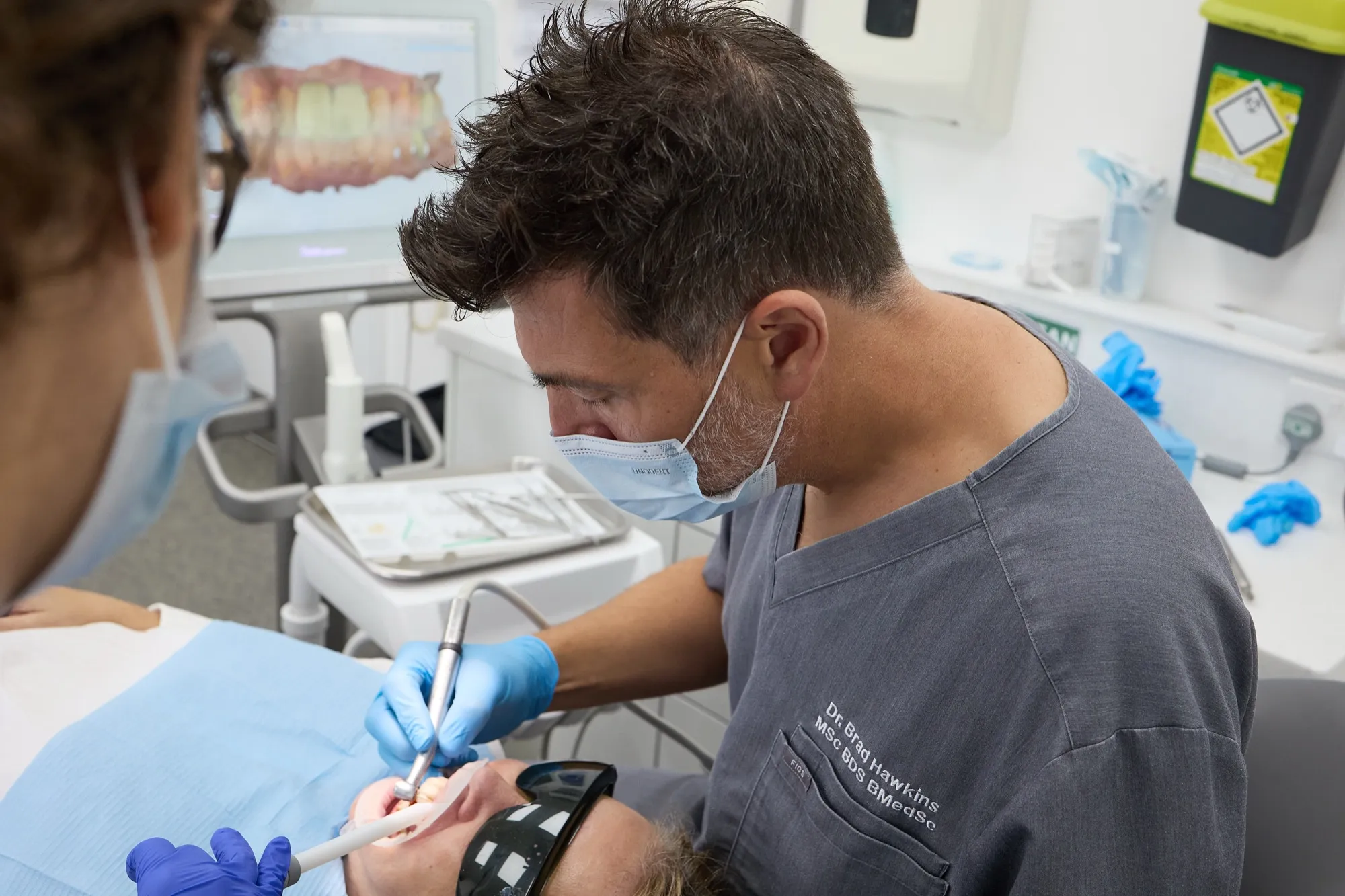
The part you never see
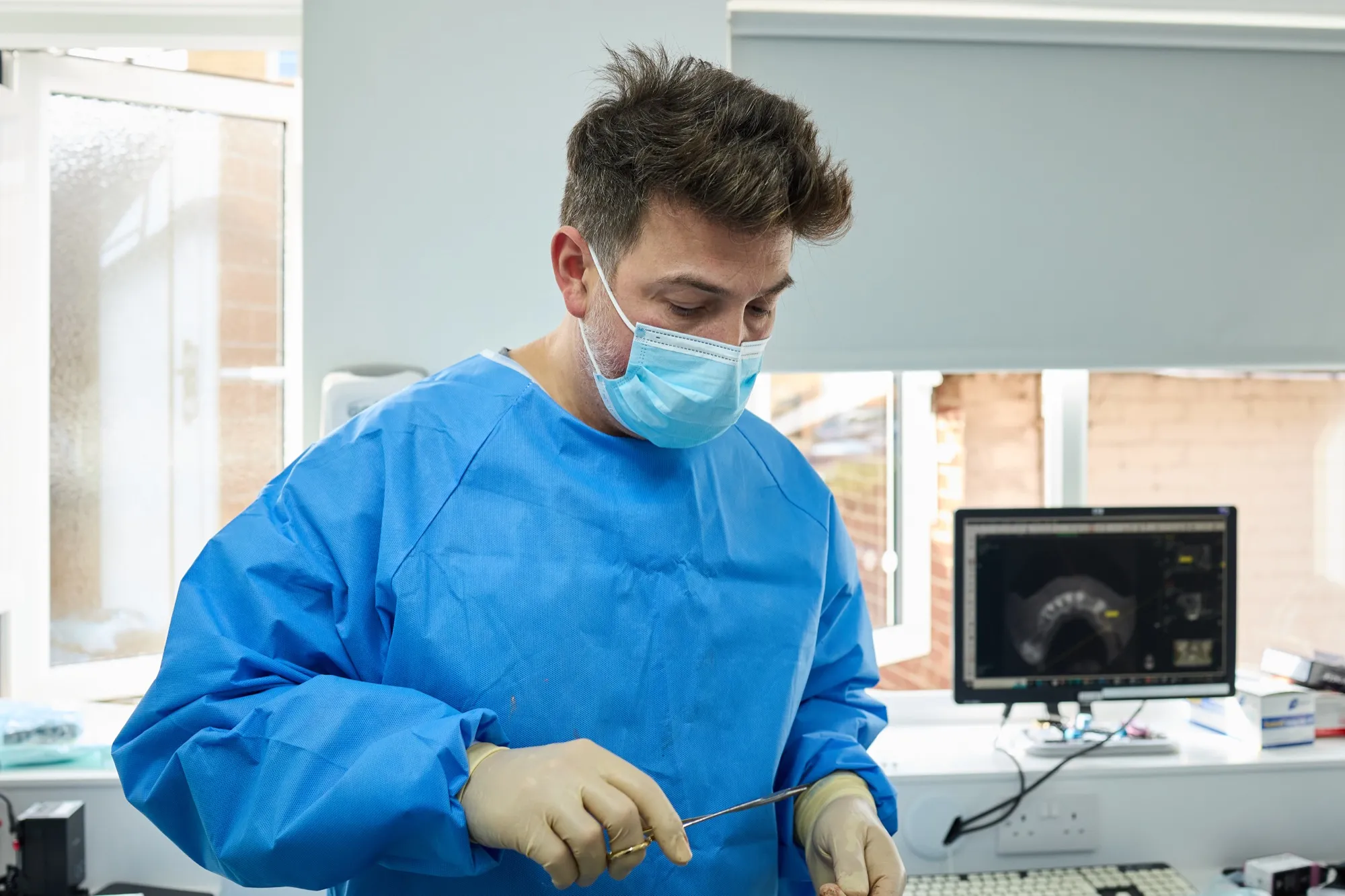
By the time anyone sits in the chair, the case has already been measured, modelled and planned. A consultation with a thorough assessment normally includes 3D x-rays to measure the bone available.
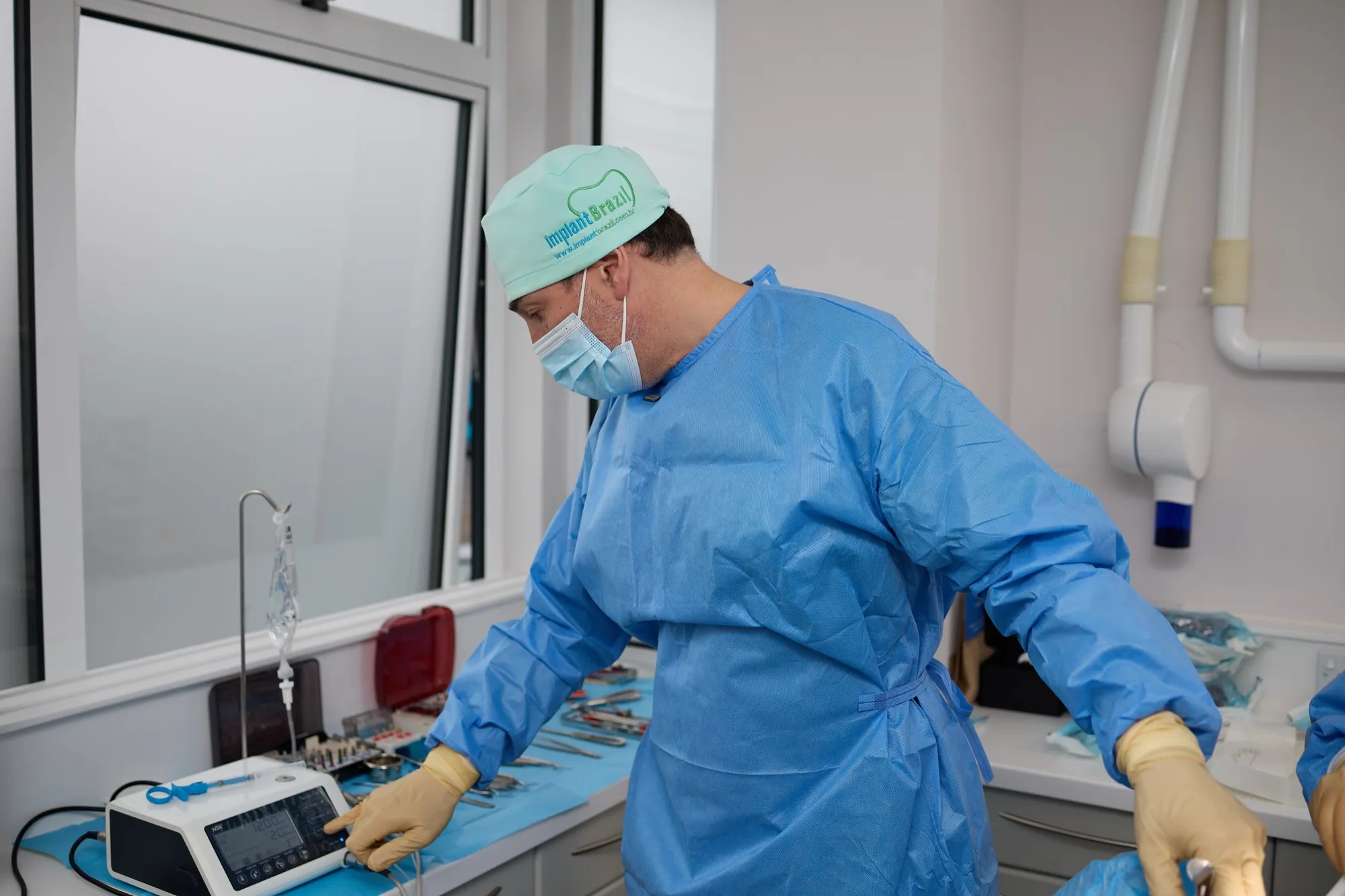
The instruments, honestly
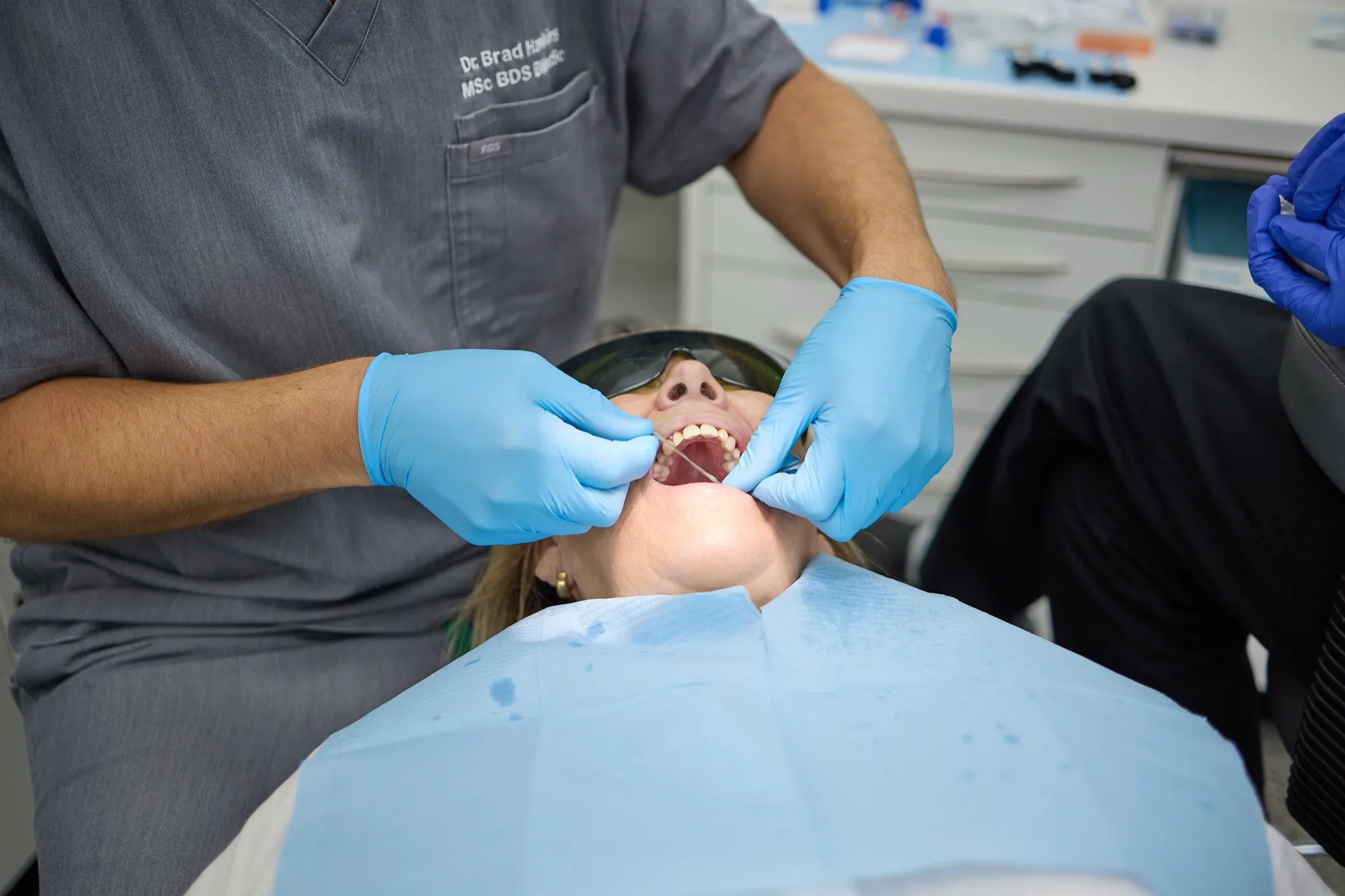
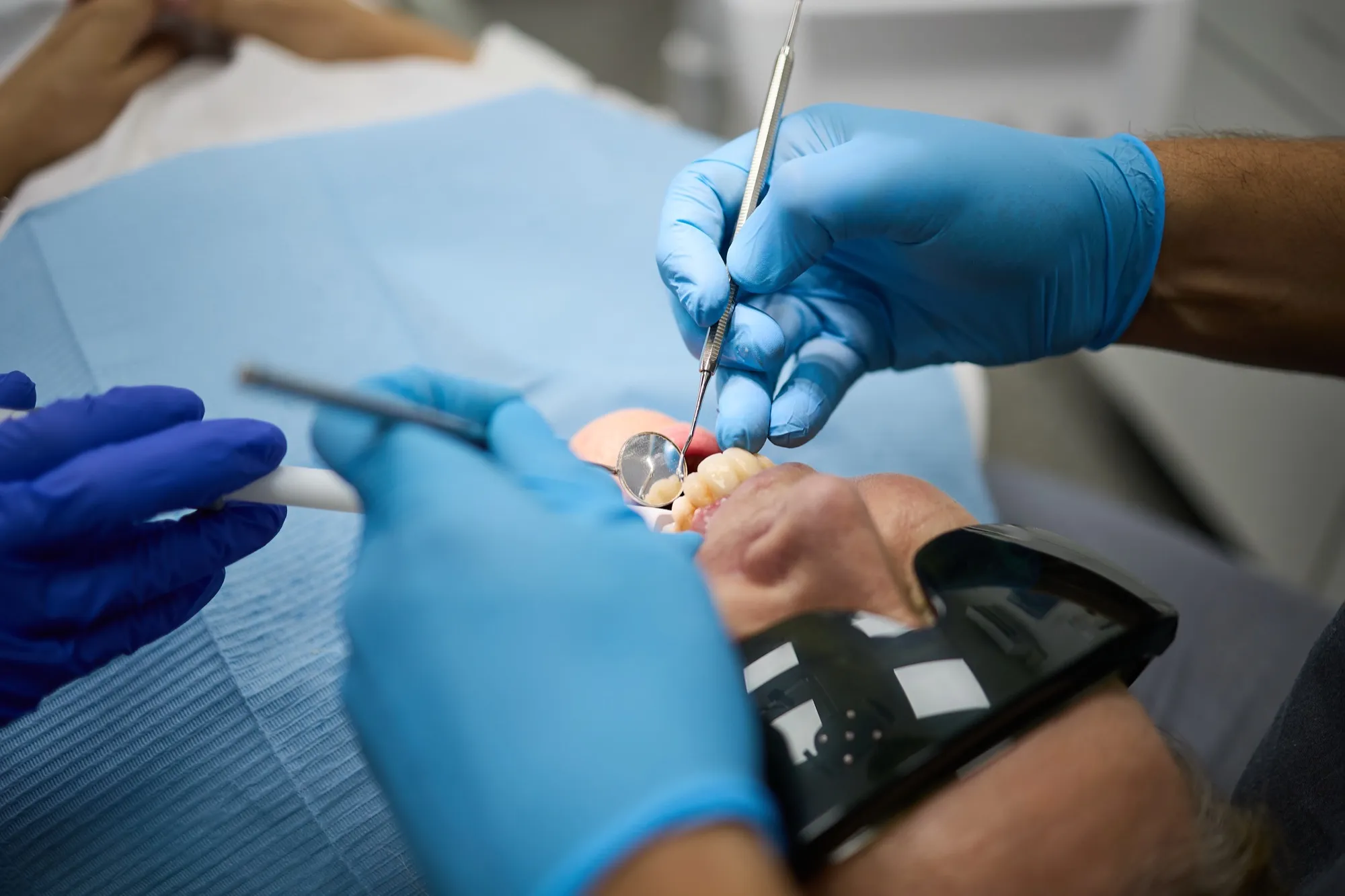
Most practices keep this out of shot. There is no particular reason to — it is a tray of precision instruments, laid out in order, and you will be completely numb before any of it is picked up.
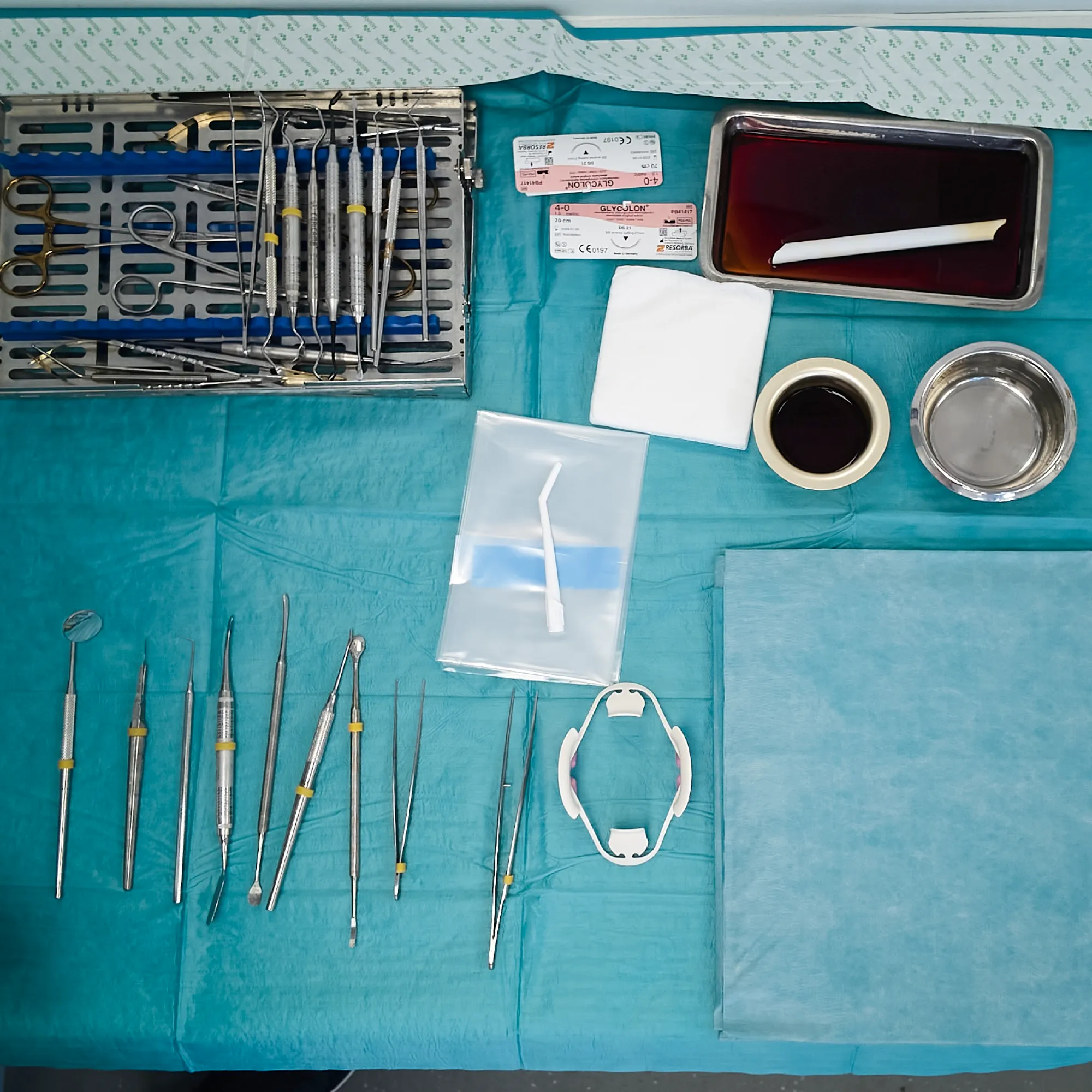
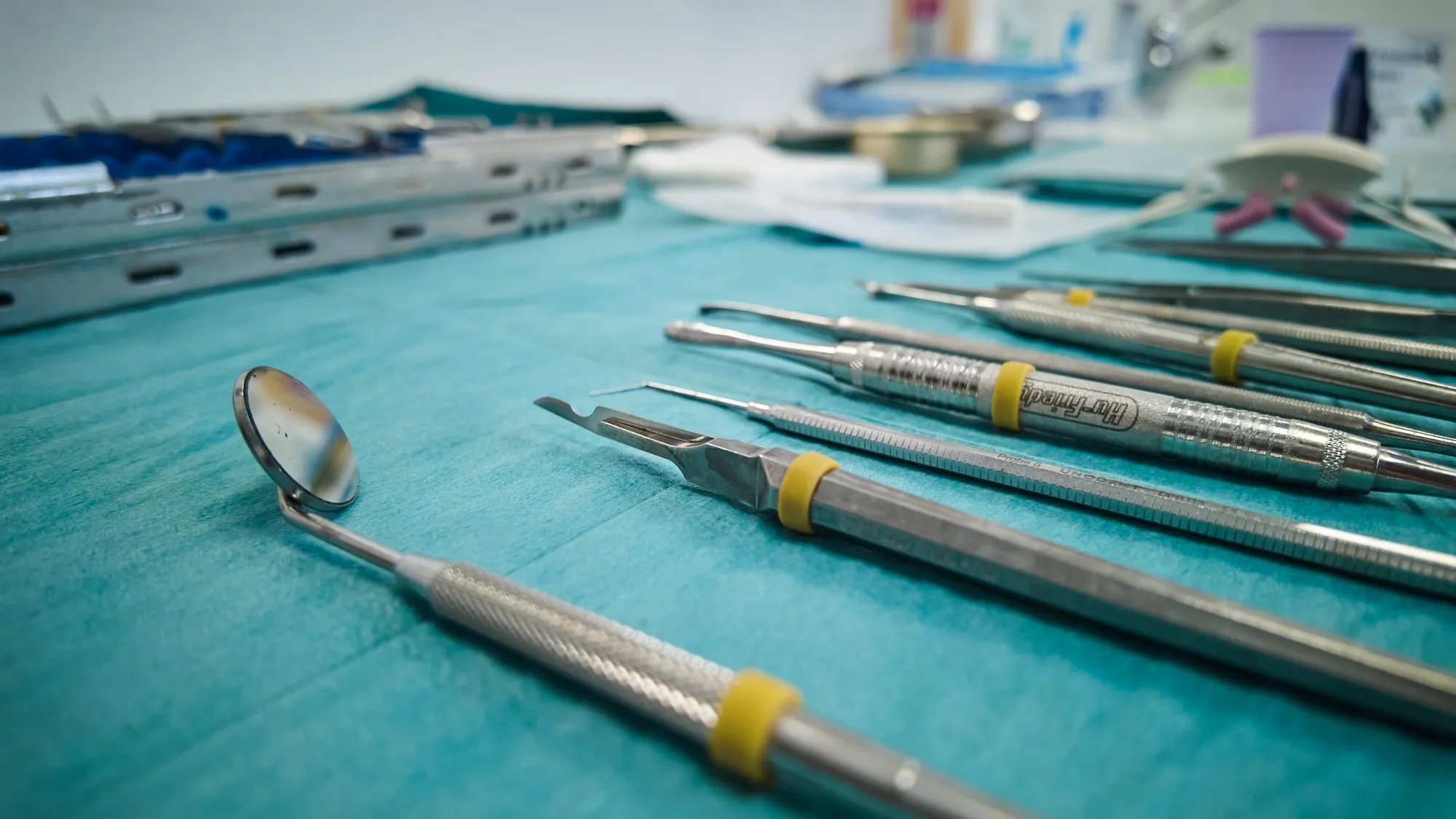
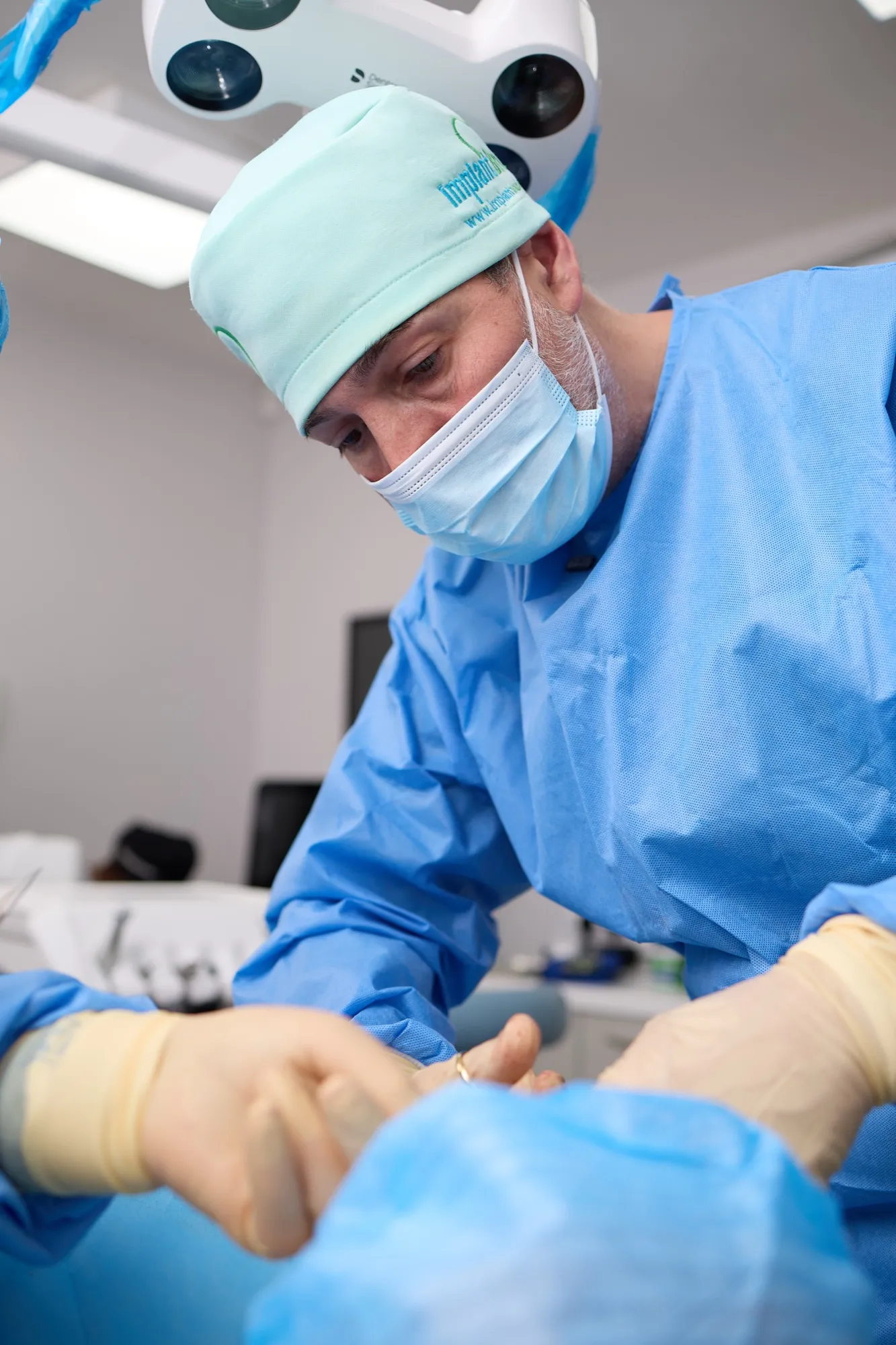
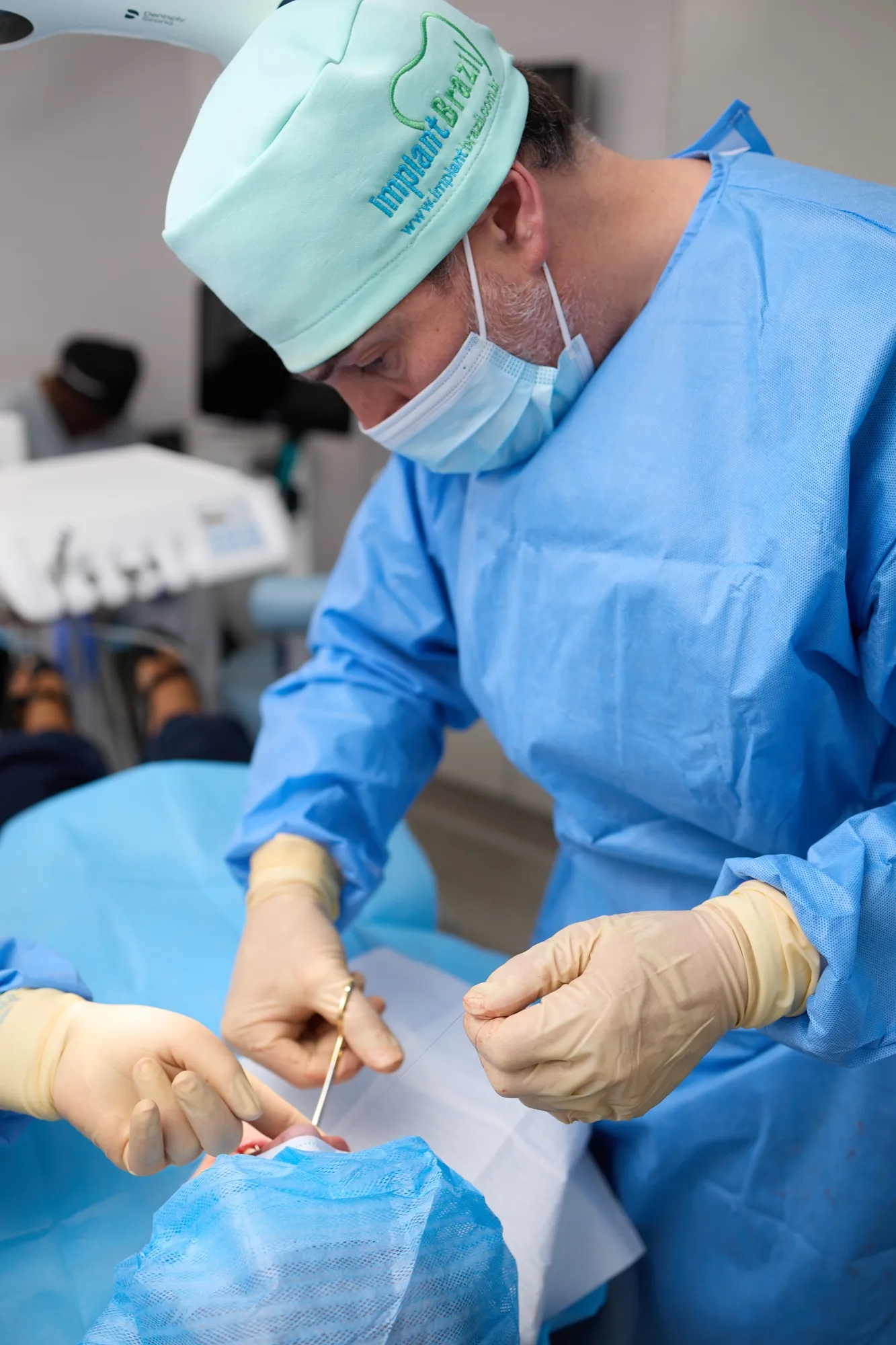
The gums are numbed with local anaesthetic, a precision hole is created, the implant is placed, and a few stitches close the gum tissue back over the top. For a single straightforward implant with no bone grafting, that can be as quick as 20 to 30 minutes in total.
Dr Brad Hawkins
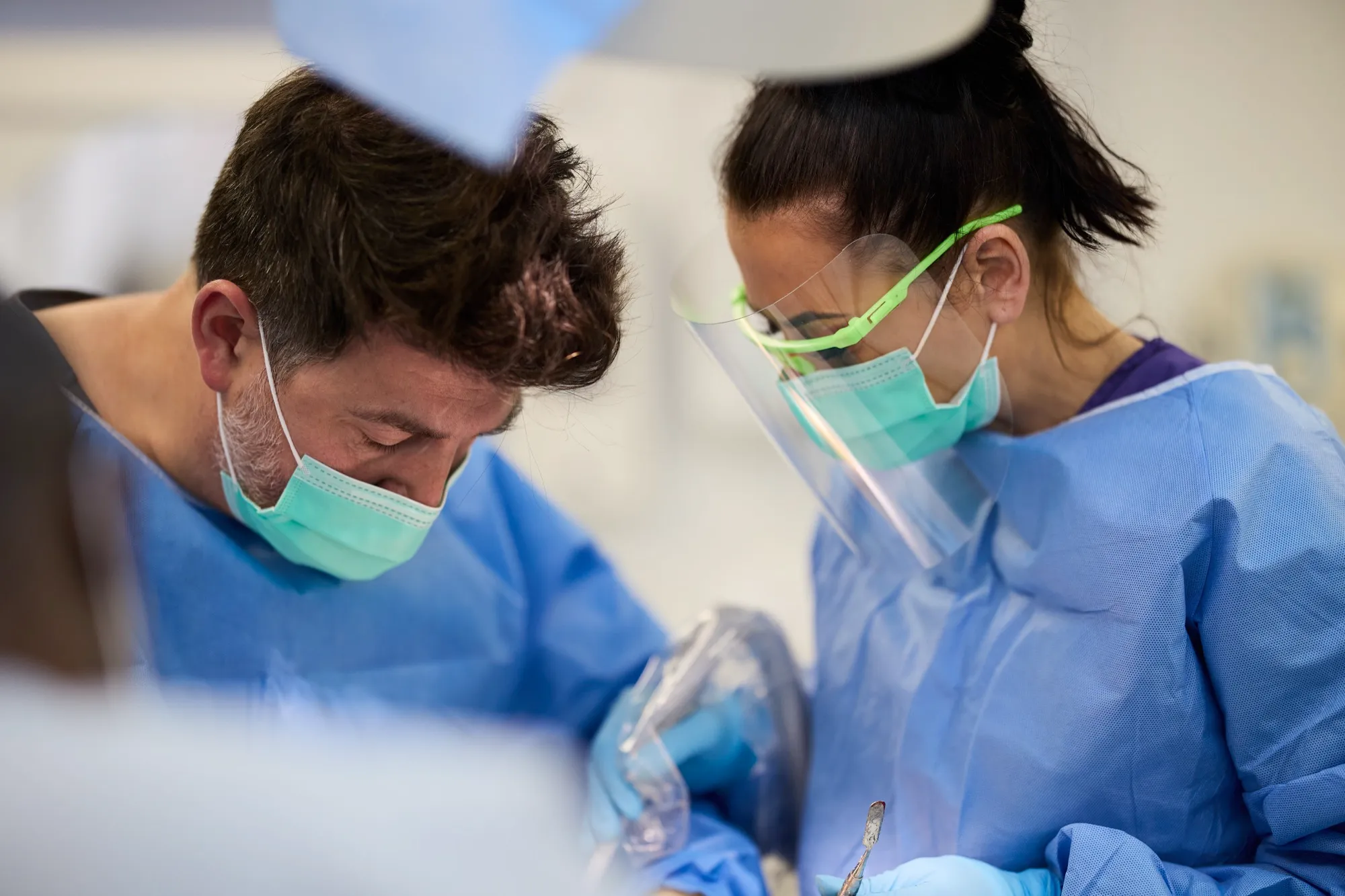
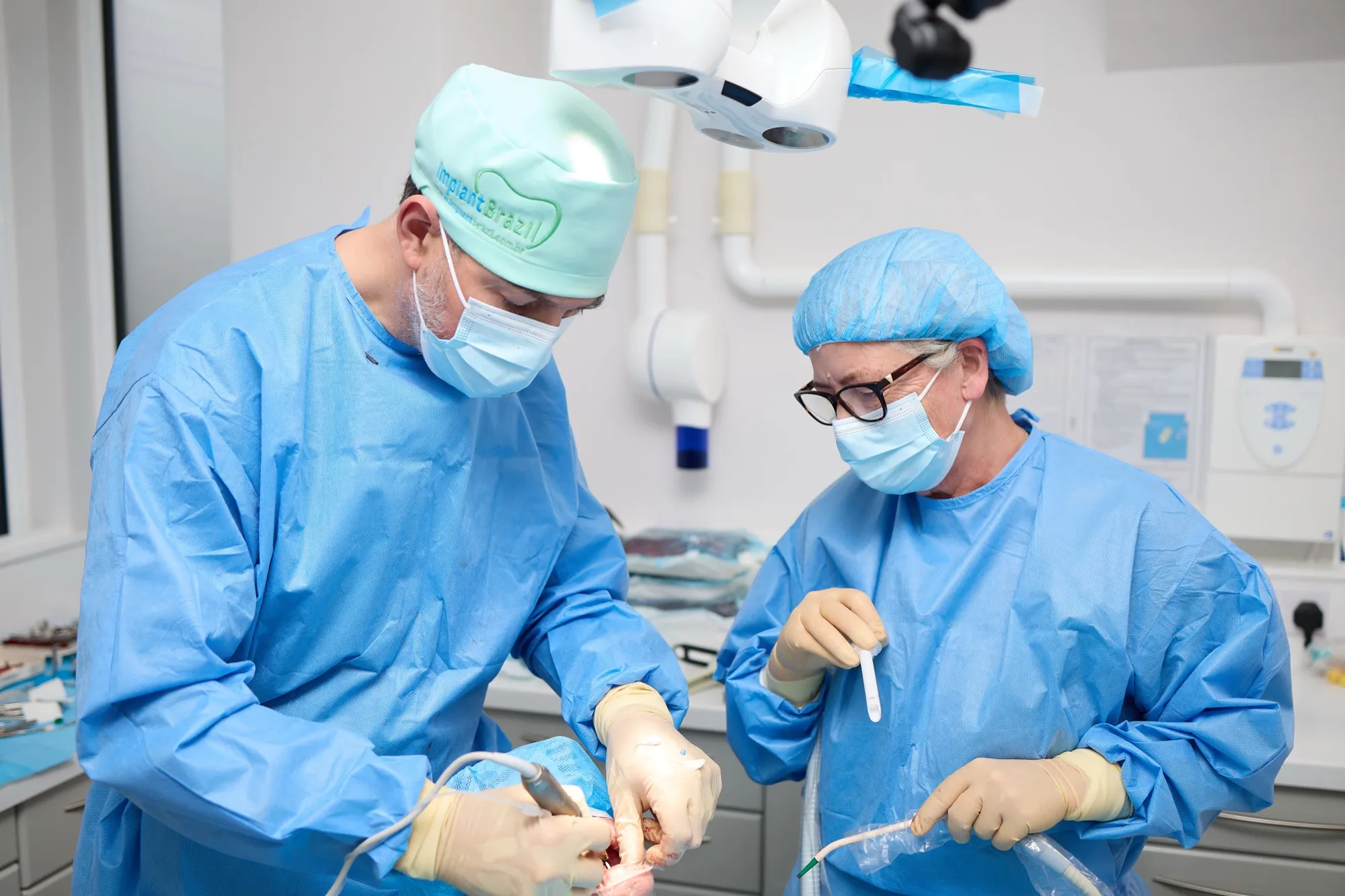
You are not on your own in there
The same surgeon carries out your consultation, your treatment and every review afterwards. You won't be handed between clinicians, and you won't have to explain your history twice.
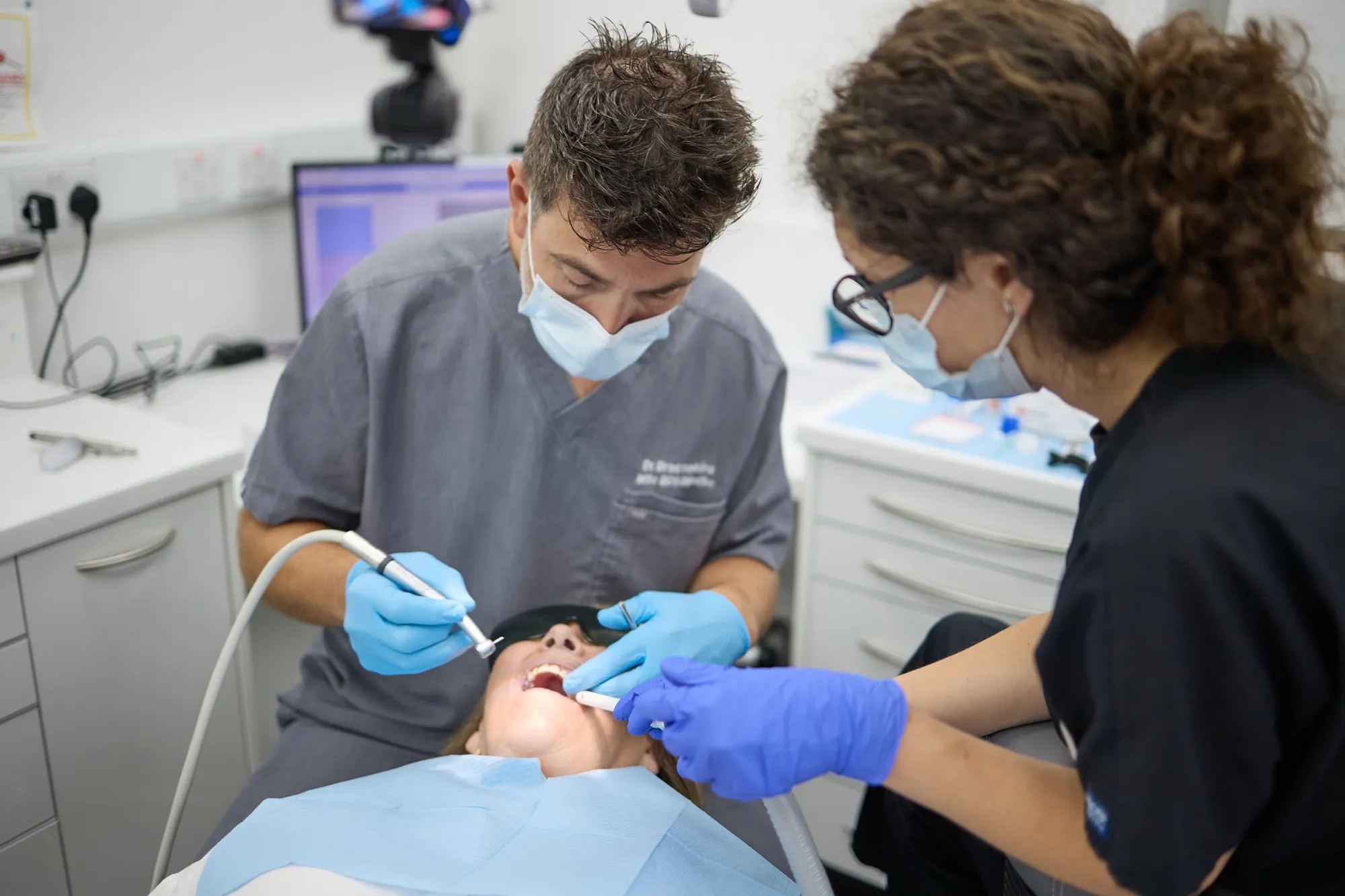
The day itself
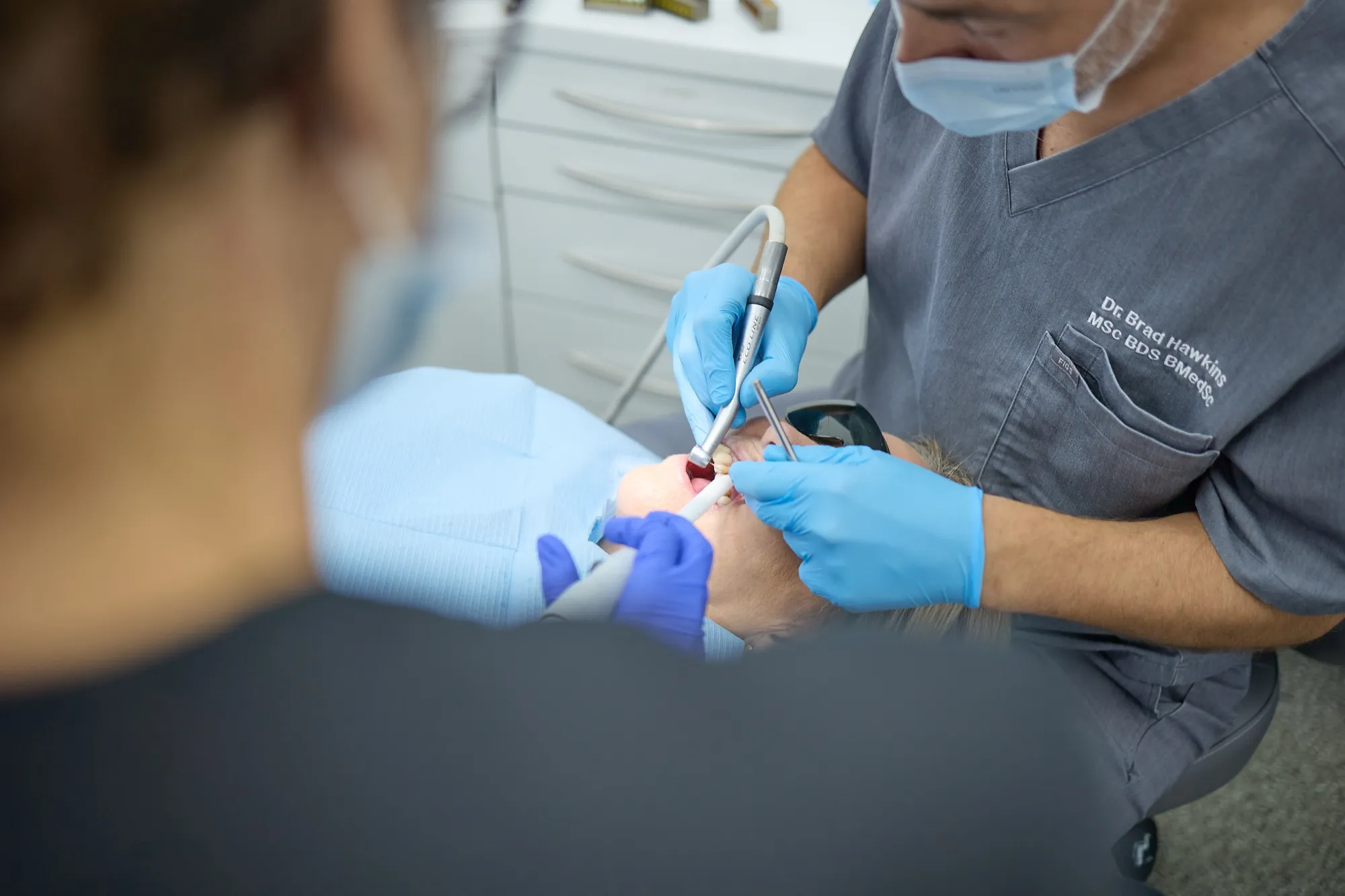
We ask you to arrive about ten minutes before your appointment to go through the final consent form. We normally give pre-operative antibiotics to reduce the chance of infection, and an antiseptic mouthwash to clean the mouth before we start.
An x-ray is normally taken at the end to confirm the result and to use for monitoring in future. You go home with post-operative instructions and an aftercare pack, and we ring you a day or two later to see how you are getting on.
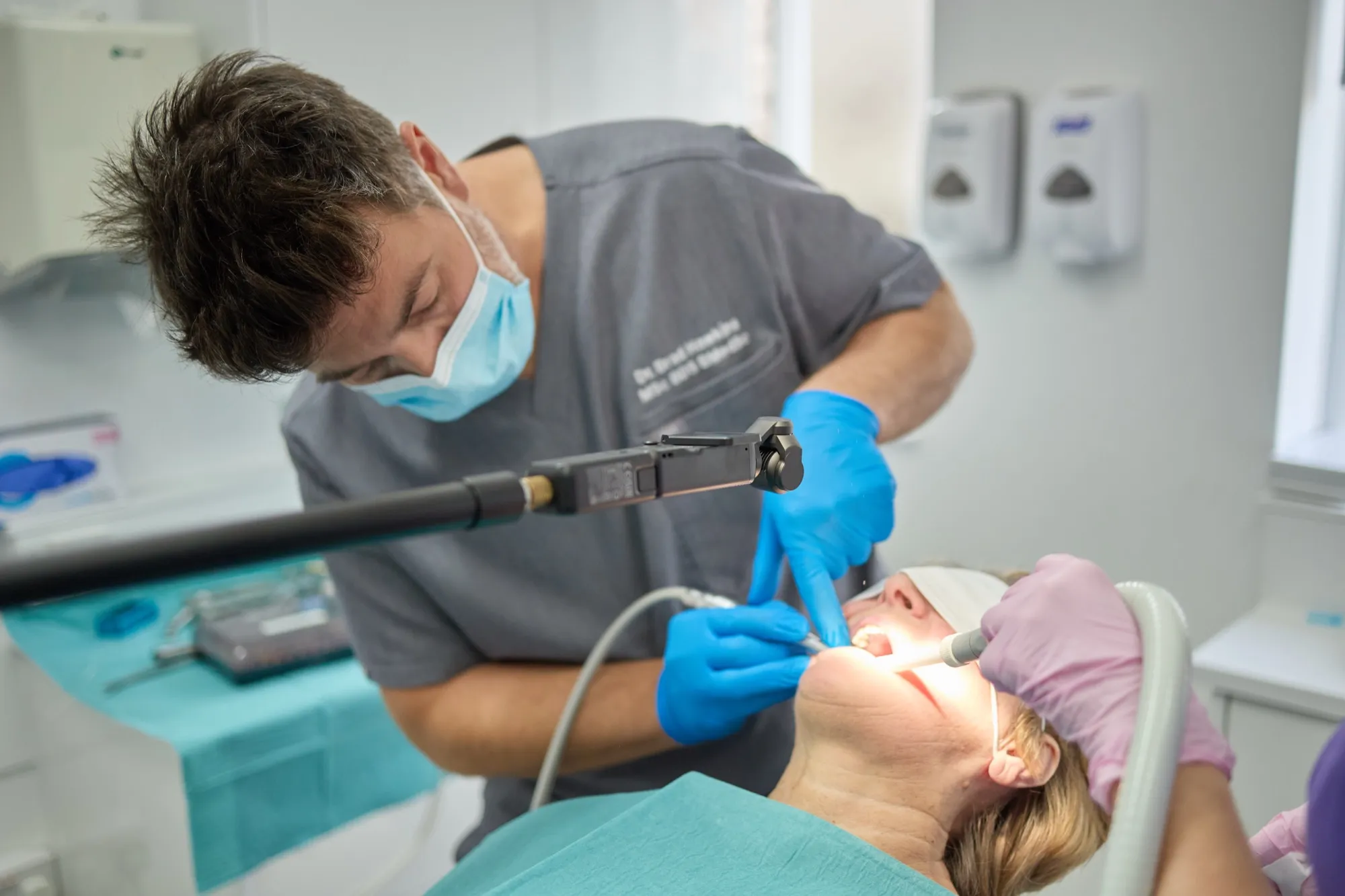
When it is a bigger case
Full-arch work is a different scale of undertaking, and it looks like one. Gowned, in theatre conditions, usually with a medical doctor in attendance — and normally carried out under sedation, for your comfort.
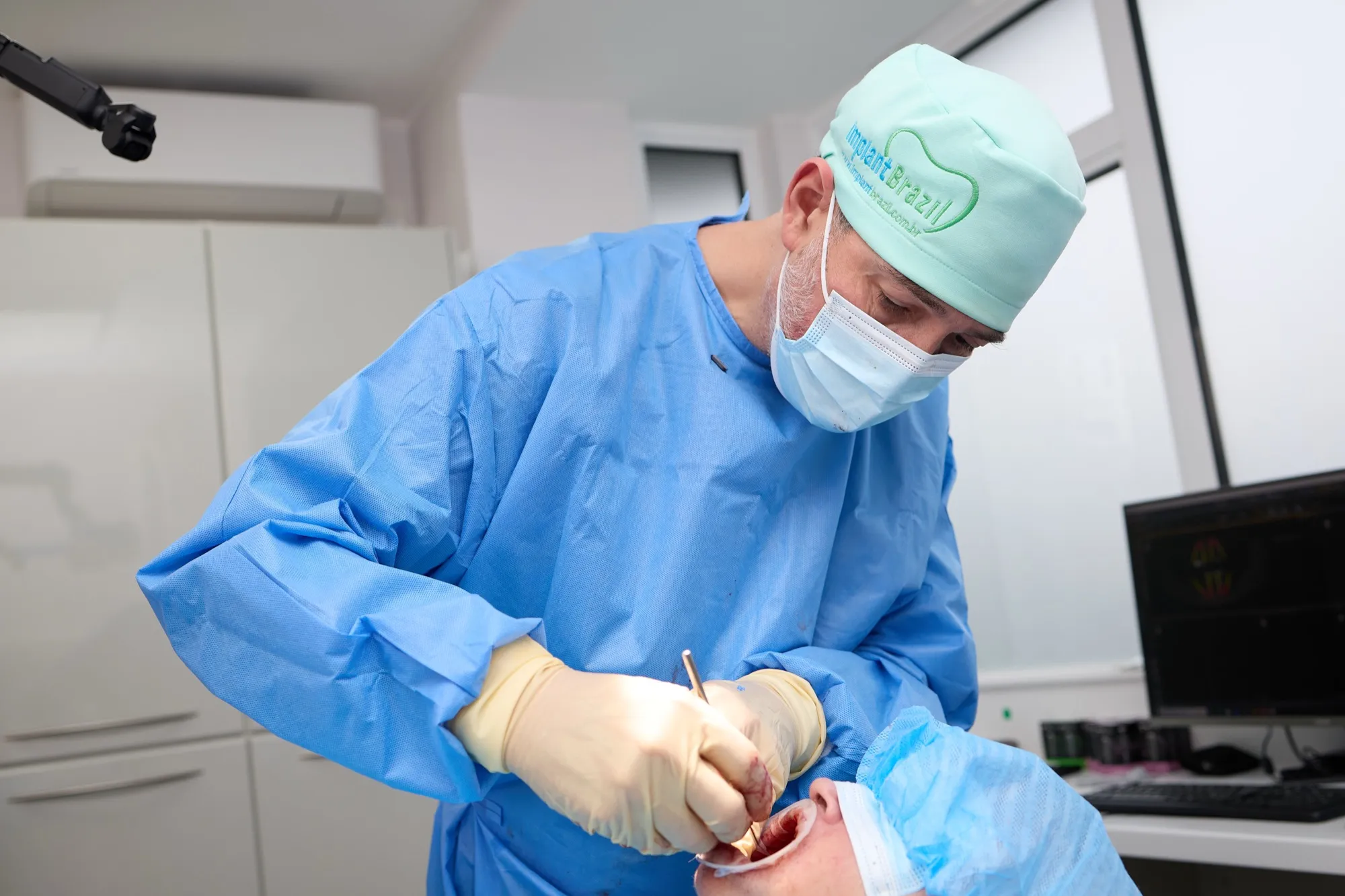
You come in, sign any final consent forms, and sedation is given by our medical doctor. We then numb the area fully, remove any failing or existing teeth, and place the implants where they are needed.
Once we have checked their stability is high enough, we move on to creating a set of immediate fixed temporary teeth. We have a technician on site making them bespoke for each patient, so there is usually a gap of about an hour and a half in the middle of treatment. Patients tend to relax in a quiet room during that time, read a book or listen to music.
Fitting the teeth takes about 10 to 15 minutes, and a final x-ray is taken at the end.
Zygomatic implants are a highly specialised implant, placed into the bone of the cheek on one side or both. They can be used alongside conventional implants at the front of the mouth, so there are still enough stable implants, spread far enough apart, to give a fixed set of teeth on the day of surgery.
Dr Brad Hawkins
Afterwards
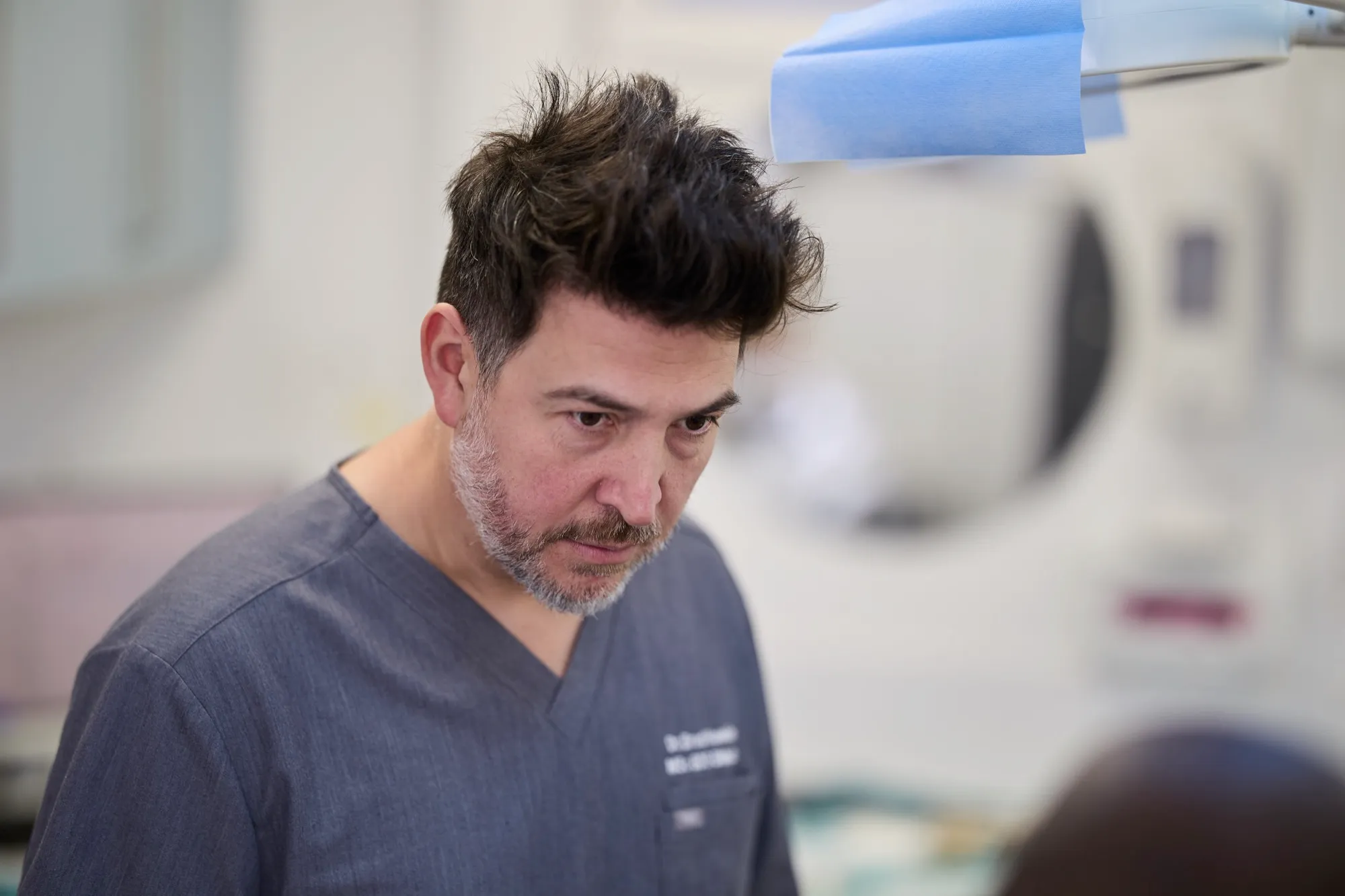
For a single straightforward implant with no bone grafting, I would anticipate a very small amount of discomfort on the day itself, improving rapidly over the next few days.
If teeth are being removed at the same time, or there is bone grafting to do, the discomfort and swelling can be greater and last a few days longer. That is where the aftercare pack matters: ice packs to keep the area cold, antiseptic mouthwash, anti-inflammatory medication, and advice on how to manage the area.
We strongly recommend everyone comes back for routine examinations, so we can keep an eye on your oral health and on the implants themselves.
Still not sure?
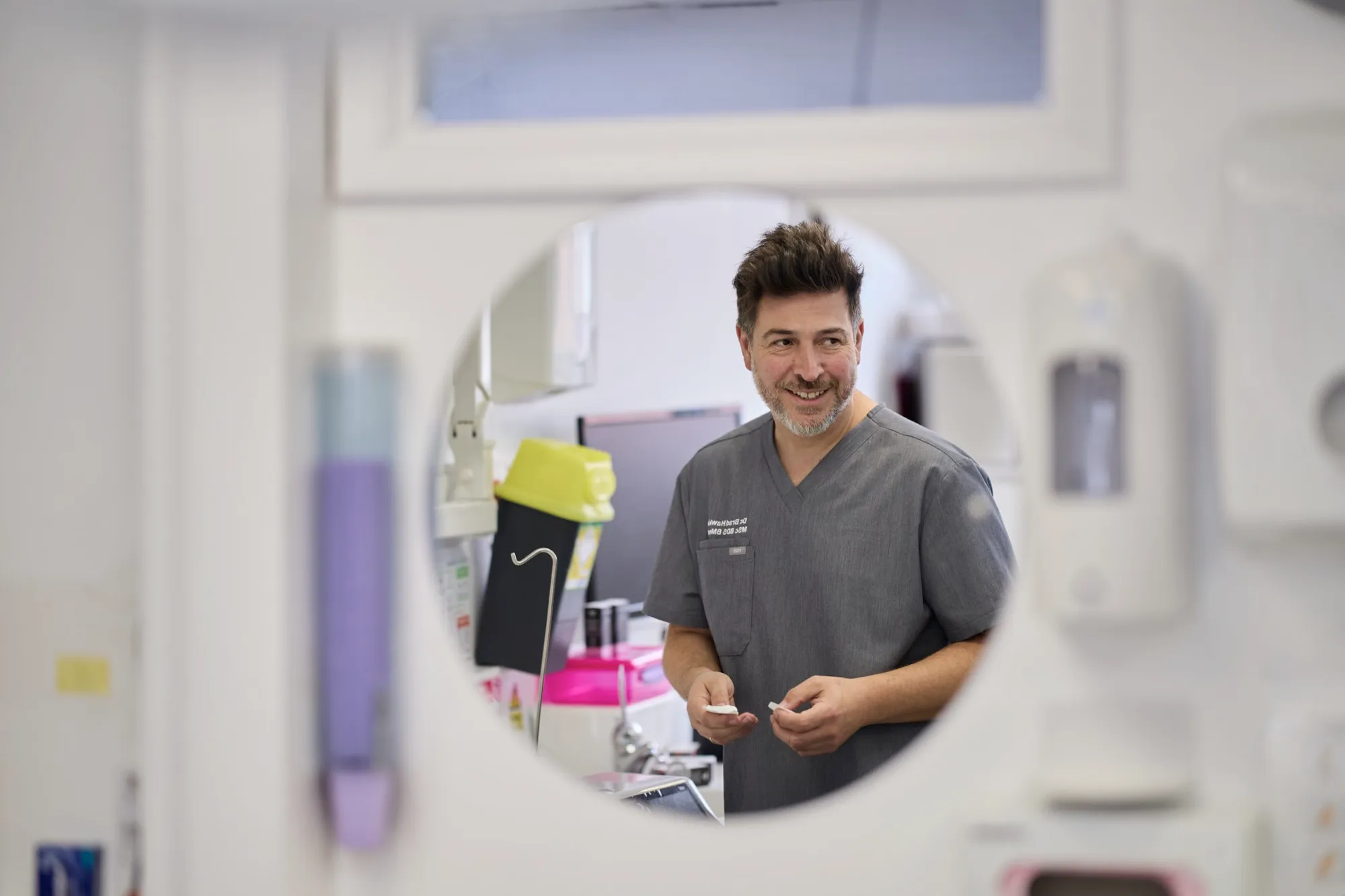
That is normal here, and nobody will make you feel awkward about it. If you would rather just find out what is possible and go away and think, that is a perfectly good reason to come in.
Ask anything before you commit to anything.
Send a few details and you will hear back within one working day. Or call 07405 442072.
You will hear back within one working day. For anything urgent, please call 07405 442072.